AI ordering and reservations for small Korean restaurants, built only with Claude.
Janggeumine AI is being built to answer customers, take takeout and table orders, and manage bookings in natural Korean and English, so a small kitchen team can stop running to the phone at the lunch rush. Every part of it, from the conversations to the code, is built on Claude.
How we use Claude Our pilot restaurantThe problem
Small restaurants in Korea run on phone calls. At peak hours the same few people cook, serve, and answer the phone, and every missed call is a lost order or a no-show. Rule-based ordering bots break the moment a customer asks something off-script.
Missed calls at peak
Lunch and dinner rushes are exactly when the phone rings most and nobody can pick up.
Messy, real requests
"Two spicy, one not spicy, no green onion, pick up at 12:20" is normal. Keyword bots cannot handle it.
No budget for an IT team
A neighborhood restaurant needs something that just works, not a project.
The product
One Claude agent that handles both ordering and reservations. Items marked Prototype work in the open-source code below; items marked Planned are not built yet.
1. Ordering
- Prototype: takes takeout and dine-in orders in Korean or English; prices and totals are computed in code
- Prototype: reads the order back and waits for a yes before placing it
- Prototype: ingredient and allergen questions go to staff, because the restaurant's ingredient data is not entered yet
- Planned: sending orders to the kitchen or POS
2. Reservations
- Prototype: checks availability and books or cancels tables within opening hours, break time and a seat limit (real seat count still to be confirmed)
- Prototype: large groups and anything its tools can't do are handed to staff
- Planned: confirmation and reminder messages
Built entirely on Claude
We use one model family for the product: Claude. No other LLM provider is in the product.
Claude understands each customer message, handles multi-item, multi-step and ambiguous requests, and replies in the customer's language (Korean or English).
In our prototype, Claude calls our own Python tools to look up the menu and opening hours, check table availability, create reservations and orders, and hand off to staff. Menu items, prices and free tables come from those tools, not from the model.
The prototype routes simple, high-volume questions (opening hours, menu prices) to Claude Haiku for speed and cost, and orders, reservations and harder cases to Claude Sonnet.
The menu, policies and system prompt are the same for every conversation, so the prototype marks that static prompt for Claude prompt caching. Only the conversation itself changes from request to request, which should keep latency and cost low; we will measure it in the pilot.
The prototype has a staff-handoff tool: when Claude is not certain, it passes the conversation to a person instead of guessing. Allergen answers will come only from the restaurant's own ingredient data, which we have not entered yet.
We build the product with Claude Code, and use Claude for planning, writing and testing it.
What we've built so far
An open-source prototype of the ordering and reservation agent, written in Python on the Claude API. Status: prototype. It is not connected to our phone line or any ordering channel yet and has not been used by customers.
Tool-use agent
A Python agent loop on the Claude Messages API. Claude works through our own tools:
- menu and opening hours
- table availability
- reservations and orders
- handoff to staff
Haiku / Sonnet routing
Simple, high-volume questions go to Claude Haiku; orders, reservations and harder cases go to Claude Sonnet.
Prompt caching
The static tool and policy prompt is marked for Claude prompt caching. On Sonnet it is long enough to cache; on Haiku it is still below the minimum cacheable length. We have not measured cache hits against the live API yet.
Offline tests
A test suite that runs offline, without calling the API, so the tools and the agent loop can be checked on every change.
View the source on GitHub github.com/waterhan0493-tech/janggeumine-ai
Roadmap
We are an owner-run, self-funded restaurant. We start with our own restaurant, where we feel the problem every day.
- Dec 2024Janggeumine Gukbap opens in Suwon, Korea.
- Oct 2026nowPrototype built: an open-source ordering and reservation agent on the Claude API (see above). Next: pilot it in our own restaurant.
- NextPilot inside our own restaurant with real customers through a text channel; measure completed bookings and orders, staff handoffs and cost per conversation.
- After the pilotOffer the same Claude-powered assistant to other small restaurants in Korea.
Pilot restaurant: Janggeumine Gukbap
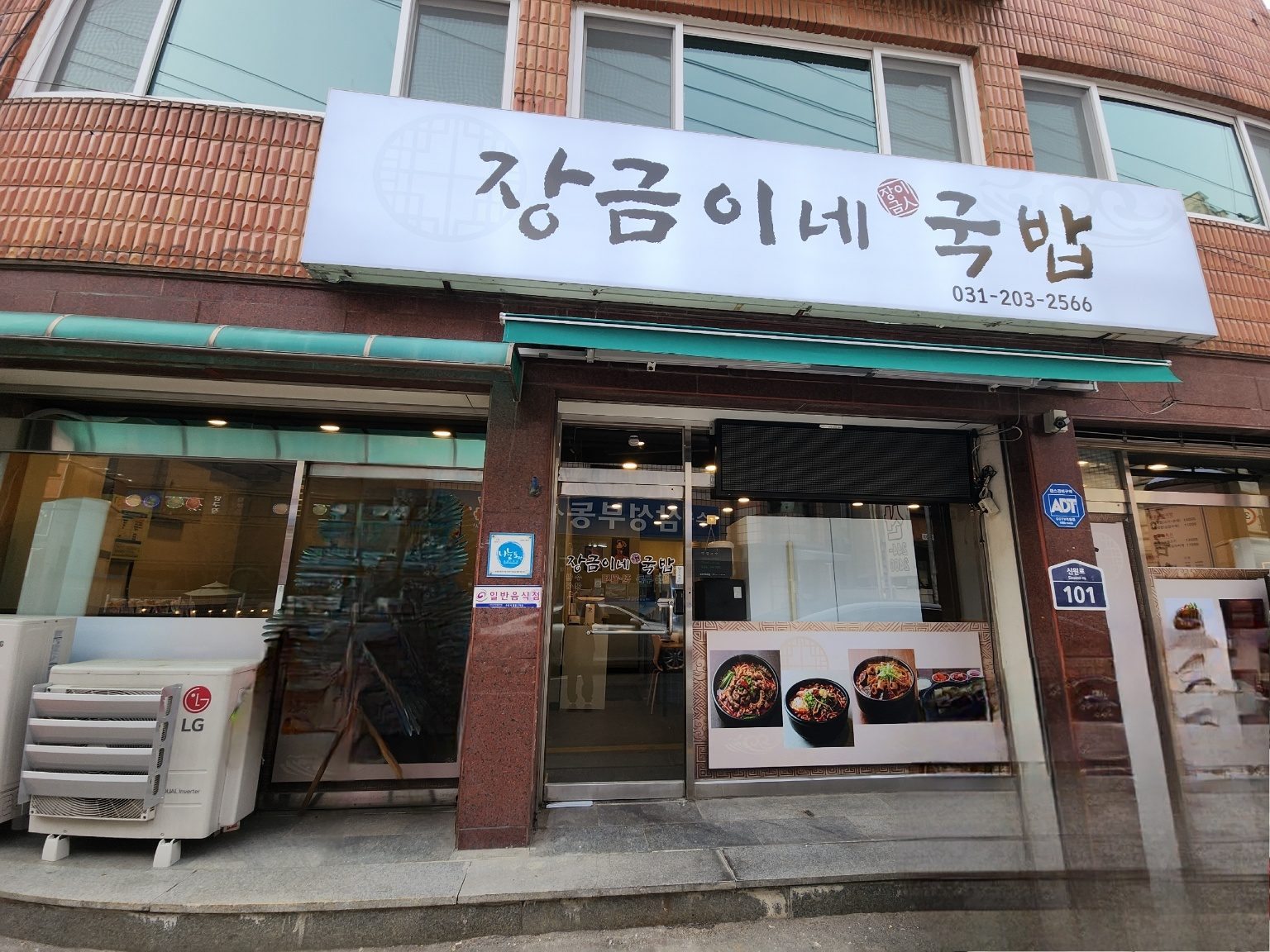
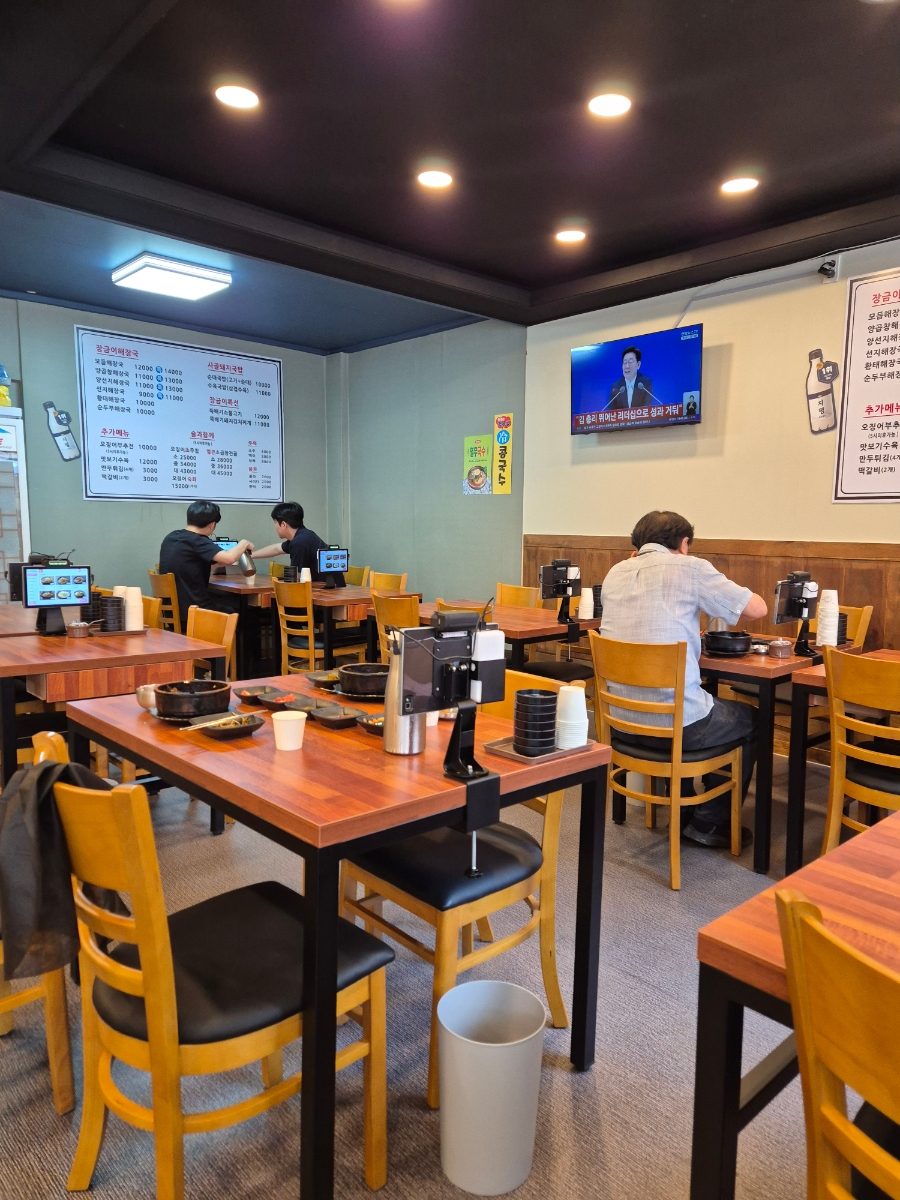
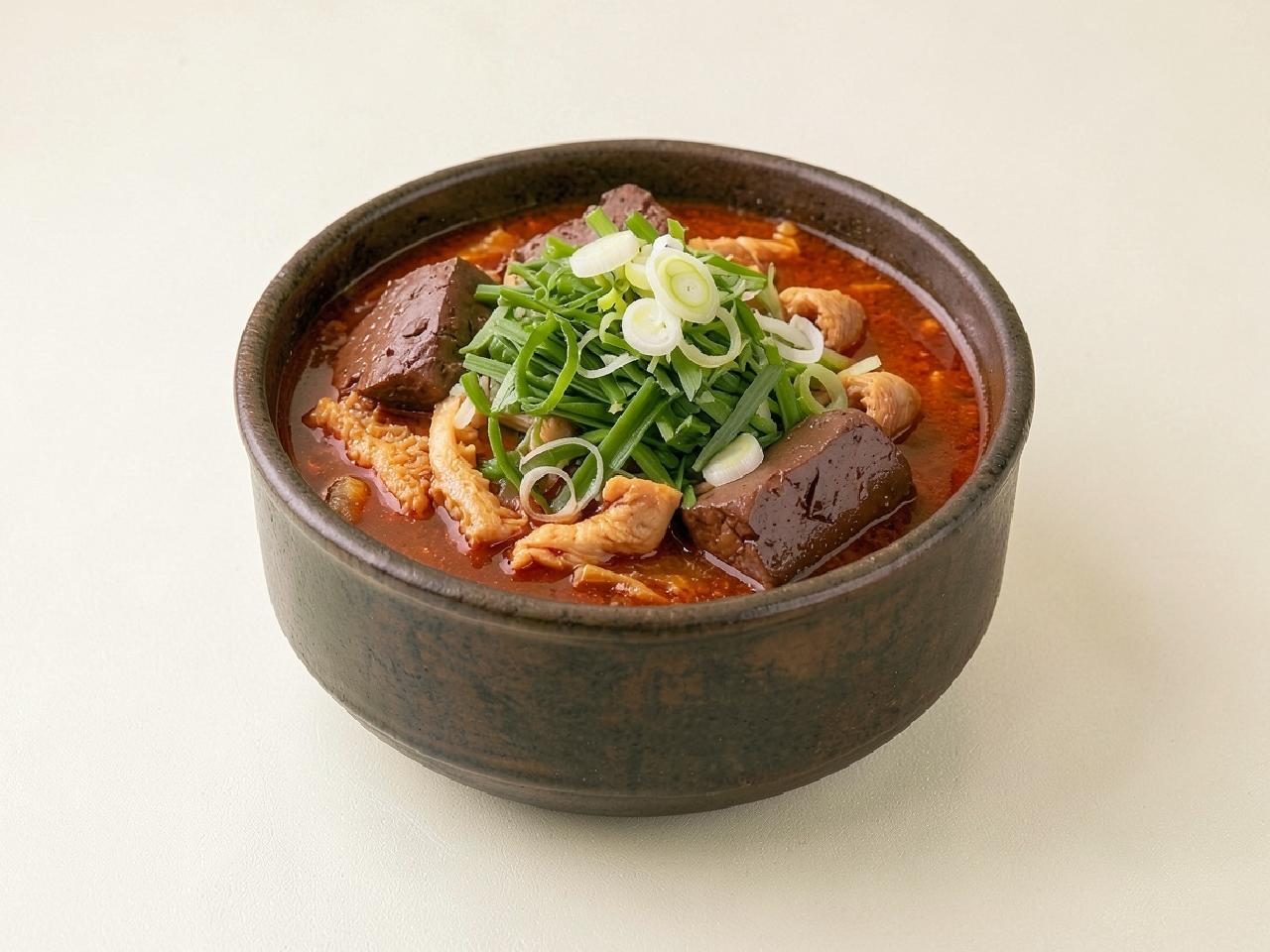
장금이네국밥, a gukbap restaurant in Yeongtong, Suwon, open since December 2024 (10:00–15:00, 17:00–21:00). This is where Janggeumine AI is designed and will first be used.
Company
Janggeumine Gukbap (장금이네국밥), founded December 2024, Suwon, South Korea. Founder & owner: Sunmi Na (나선미).
Sole proprietorship, business registration no. 204-33-52068. Self-funded; no outside investment.
Address: 102, 101 Sinwon-ro, Yeongtong-gu, Suwon-si, Gyeonggi-do, Republic of Korea.
Janggeumine AI is the name of the product we are building; the company behind it is Janggeumine Gukbap.
Website: yunnakji.com · Contact: waterhan0493@yunnakji.com